
Electrical Warranty Returns: Resolve the Dealer's Purchase-Evidence Chain
Resolve the retail receipt, upstream purchase evidence and actual claim initiator before booking an electrical-part warranty return.
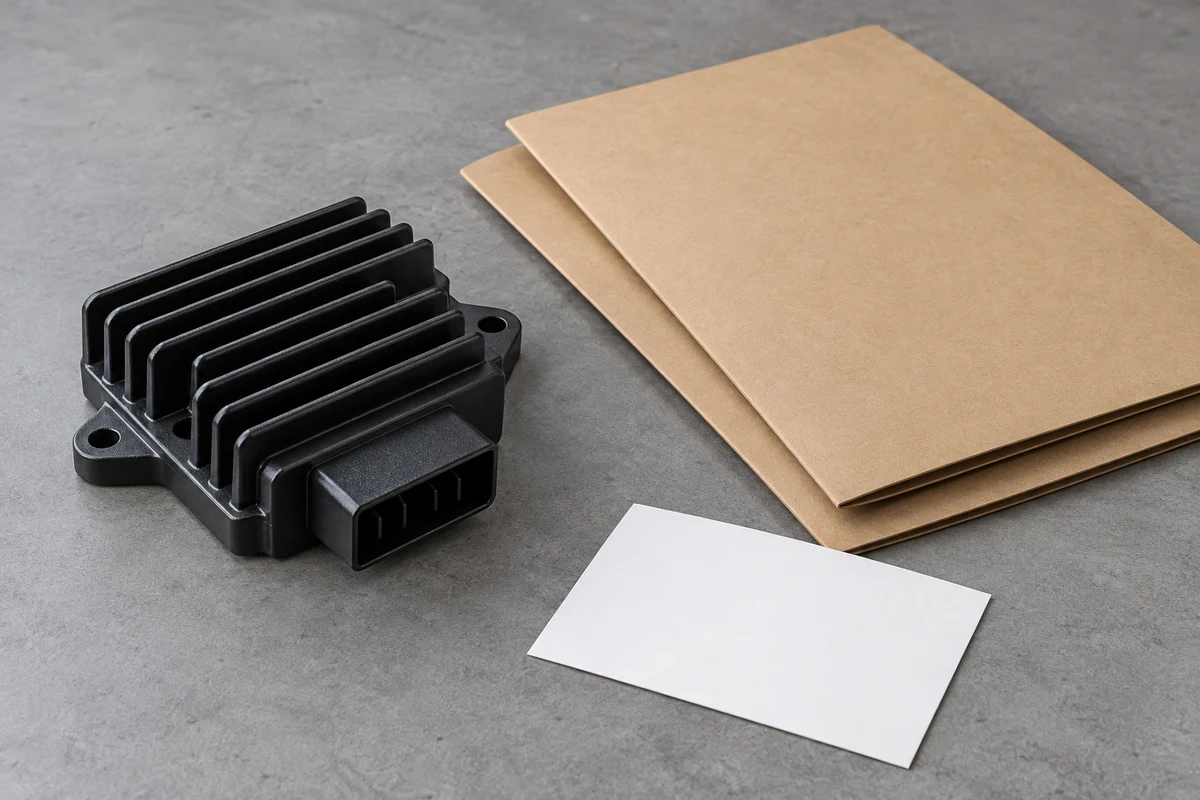
Before paying to return a motorcycle electrical part bought through a retailer, establish who can present the purchase evidence required by the manufacturer. Your receipt may identify your seller without resolving the seller's manufacturer-facing record. Sending the part cannot supply that missing documentary link.
The practical decision is whether the seller has established the claim route for this exact purchase and obtained the actual return instruction. Keep freight unbooked while the required evidence holder, case initiator or receiving destination remains unresolved. This is a purchasing-record review, not a warranty-entitlement finding.
Start with the sale you can document
Identify the electrical part, original order and seller named on the retail invoice. Record the final owner separately from the person or business that placed the order. If a workshop bought the part for its customer, the workshop's purchase record and the owner's payment to the workshop may describe different transactions.
Preserve the relevant item description, order reference and purchase evidence. Do not collect unrelated payment details to make the file look more complete. If a marketplace name differs from the invoice issuer, ask the seller to identify the contracting business and the contact responsible for the claim.
A receipt establishes only what its actual contents support. It does not, by itself, demonstrate that the seller is an authorized dealer, identify its upstream supplier or show that the manufacturer has accepted the case. Keep those questions separate from the documented retail sale.
Distinguish the two evidence roles
Rick's Motorsport Electrics' published warranty page directs buyers who purchased through a local dealer or another website to that seller. It says the seller must contact Rick's and provide the original proof of purchase; its policy requires original purchase evidence from Rick's for a return. Prior authorization is also required. This is Rick's stated process, retrieved on 14 October 2026, not a rule for every electrical-parts manufacturer. Rick's warranty information
For a seller-mediated claim, create two evidence entries. The first connects the owner or ordering customer to the retail seller. The second identifies who can establish the manufacturer-facing purchase record. The person holding the part may control the first entry but have no access to the second.
These are evidence roles, not a claim that every supply chain contains exactly two companies or two invoices. A distributor, wholesaler or separate ordering account may sit upstream. If the seller cannot yet connect its records to the required evidence, record the gap and ask which party can resolve it. Do not invent a direct manufacturer sale to simplify the diagram.
Give the missing upstream record an accountable owner
Ask the retail seller a focused question: can it identify the relevant manufacturer-facing purchase evidence and initiate the case under the applicable process? Include the exact retail order and part reference so the response concerns this transaction rather than the seller's general warranty practices.
A useful reply distinguishes evidence located, evidence requested from another business and evidence accepted by the receiving party. Ask who is following up on an unresolved record and which reference will connect the answer to the owner's item. The buyer does not necessarily need a copy of confidential upstream commercial documents; an attributable confirmation of what was provided, to whom and for which case can clarify the status.
If the seller replies only that the owner bought the part there, the first link has been acknowledged. The second question remains unanswered. If it names an upstream account but has not located the relevant order, preserve that narrower progress rather than marking the documentary chain complete.
When an intermediary cannot be identified, ask the seller for its proposed next step. Do not send the part to a manufacturer as a substitute for the missing response. Nor should an unresolved record be presented as evidence of counterfeit origin or dishonest conduct.
Establish who actually opens the case
Record the organization responsible for making the manufacturer-facing request and its case reference when one exists. An internal retailer enquiry number can be useful, but it is not automatically a manufacturer's authorization. Keep the issuer beside each reference.
Ask the seller to distinguish its submission from the manufacturer's response. A message saying documents were sent does not establish that they satisfied the recipient's requirement. Equally, a request for additional information is a concrete next step, not necessarily a rejected claim.
Use the current applicable policy and the actual parties' answers for the product concerned. The named Rick's page contains product exclusions; this article does not decide coverage for a CDI box, battery or any other item. Document acceptance does not promise a replacement, refund, technical result or reimbursement.
Obtain the physical destination separately
Once the documentary route has an accountable owner, obtain the actual authorized receiver, covered goods, sender arrangement and return reference. A dealer-led claim does not prove that the parcel must travel through the dealer. The communication chain and physical route may differ.
Do not use a website footer address as a return instruction. Ask for the instruction applicable to the case, then identify the actual freight scope and agreed payer. An unknown amount or responsibility stays open; no standard charge or free return is assumed here.
Fictional example: the retailer has only confirmed the retail sale
Fictional owner W-14 has a receipt for electrical part P-14. The seller acknowledges that retail order but has not established the upstream purchase record needed for its manufacturer enquiry. W-14 finds the manufacturer's address online and considers booking postage.
The working record shows the retail link as documented and the manufacturer-facing link as unresolved. The next request goes to the seller: identify the evidence holder and confirm who will submit the case. No real seller, authorization or warranty result is represented.
If the seller later reports that it has submitted the required evidence, W-14 records that event and awaits the applicable response and physical return instruction. The file advances without pretending that a submitted claim has become an approved remedy.
Keep a dealer claim and movement map
Use these linked entries as an original purchasing aid:
- Exact part, original order and final owner
- Retail invoice issuer and owner-to-seller evidence reference
- Manufacturer-facing evidence holder, record status and unresolved intermediary
- Party responsible for initiating the case and the issuer of each reference
- Actual authorization, covered goods and separately confirmed receiving destination
- Agreed freight scope and payer, with the remaining question assigned to its evidence owner
Close each entry only to the extent supported by the response. Evidence supplied, evidence accepted, return authorized and remedy decided are separate statuses. That distinction keeps the shipment decision anchored to a real claim route.
For product context, see Motorcycle parts. A Motoparts sourcing request can describe an unanswered supplier-record question within independent aftermarket and unbranded buying coordination. The named manufacturer is a documentary example, not a Motoparts affiliation, branded-supply offer or promise to obtain warranty approval.
Frequently asked questions
Does my retail receipt satisfy the manufacturer's purchase-evidence requirement?
It may establish your transaction with the retailer without establishing the separate manufacturer-facing record. Under the cited Rick's process, the seller must contact Rick's with original purchase evidence. Ask the actual seller which evidence it holds and what remains outstanding; do not treat a retail receipt alone as case acceptance.
Who starts the claim when a Rick's part was bought through another website?
Rick's published page directs that buyer to the selling website, which must contact Rick's and provide the original proof of purchase. Preserve the exact seller and case references. This named process does not establish that an unknown seller is authorized or that a particular product is covered.
Must the part physically go to the dealer before the manufacturer?
A dealer-led documentary process does not establish that physical route. Obtain the actual authorized receiver and sender arrangement for the case. Do not invent a dealer detour or book delivery to a general website address.
What should stay open after the seller submits the documents?
Record submission as submission. Keep any evidence-acceptance question, actual return authorization, receiver and freight payer unresolved until supported. Even accepted documents or an issued return reference do not establish a replacement, reimbursement or final warranty outcome.
Sources
Discuss a sourcing request related to this article.Electrical Warranty Returns: Resolve the Dealer's Purchase-Evidence Chain