
Engine Case Gasket Receipt: Preserve Coating Evidence
Reconcile a gasket’s specified material and bonded surface layer before treating an unexplained patch as contamination or scraping it away.
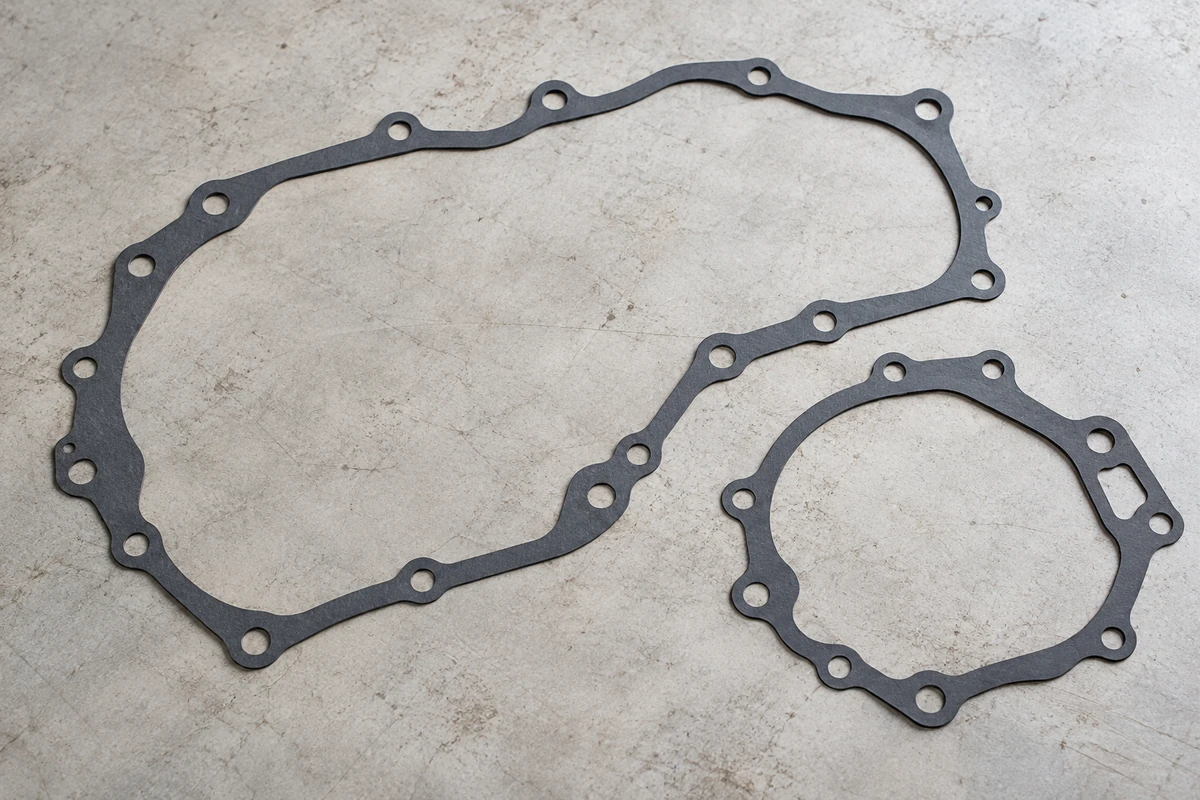
A metal-based engine-case gasket may intentionally include a bonded surface layer. Before calling a patch contamination or removing it, establish the specified material and the received product’s own construction reference. The purchasing question is whether the apparent surface discrepancy has been assessed against the correct material.
This guide does not select gasket thickness, prescribe sealant or assess an engine’s sealing performance. It keeps the received surface and its history intact while the supplier answers a material-specific question.
Recover the material requirement behind the part reference
Retain the exact gasket designation and the order’s material description. If the approved reference names a coated construction, preserve that wording rather than simplifying it to “metal gasket.” If no material was specified, ask for the supplier’s actual declaration and leave the missing baseline visible.
Keep the engine-case application record separate from material identity. A matching outline may help identify the part, but it does not establish the surface-layer composition or approve a proposed material substitution. The responsible technical owner must resolve any changed construction.
If a supplier provides a material sheet, record which product or batch it covers and which revision applies. A general materials catalogue is useful background but should not silently become a declaration for every gasket the seller supplies.
What the Cometic example actually establishes
Cometic’s coated-metal materials page lists rubber-coated steel and describes AFM as synthetic rubber bonded to an aluminum core, with engine-case gaskets among its applications. These are named material examples showing that a surface layer can be intentional construction. They do not identify an unknown gasket by color or establish acceptable coating damage. Cometic coated-metal materials
The distinction matters when a seller calls a layer “extra coating” or a receiver expects bare metal. First ask what material the actual product is supposed to contain. Do not transfer the named material’s thicknesses, temperature claims or installation advice to another supplier’s item.
Map the apparent discrepancy without changing it
Link an existing whole-gasket image to the affected zone. Use a visible opening or other stable feature in the approved view to locate the concern, and state which side is shown. Describe an apparent patch, exposed-looking area, edge feature or residue as observed, without assigning an unverified chemical identity.
Keep uncertainty about lighting and visibility explicit. A bright patch may need a clearer existing reference before it can be called missing coating. A darker area does not establish a particular rubber compound. Photographic appearance cannot replace the applicable material declaration.
Do not scrape, peel, rub with solvent, sand or flex the gasket to find out what lies beneath a surface. That could remove the feature being assessed and change the supplied product. No adhesion test or coating-thickness procedure is authorized by this worksheet.
Buyer worksheet
Use one record per identified unit or clearly defined affected group. This is an original purchasing aid, not a test procedure or acceptance standard.
| Field | Record to preserve | Question that remains open |
|---|---|---|
| Gasket reference | Exact order, delivered identity and documented application | Outline match used as material approval |
| Specified material | Controlling construction description and revision | Metal shorthand hiding a bonded-layer requirement |
| Bonded layer reference | Product-linked material declaration and relevant side | General materials catalogue applied to an unknown item |
| Observed affected zone | Original view, side and stable location reference | Color or brightness used as chemical diagnosis |
| Prior cleaning claim | Actual supplier declaration and affected units | Cleaning statement treated as proof of intact coating |
| Supplier assessment | Zone-specific response, evidence and responsible reviewer | Material identity or replacement offer mistaken for sealing approval |
Ask about prior cleaning and the actual affected layer
If the seller says a surface was cleaned before dispatch, ask what work was performed, by whom and which units it concerned. Retain that declaration separately from the material specification. “Cleaned” does not explain whether the ordered surface layer remains as supplied, and this article does not supply a method to restore it.
Ask the supplier whether the observed area corresponds to the intended construction of the exact gasket. Request the applicable reference and a response to the specific zone. A general statement that coated gaskets exist answers only the background question; it does not assess this delivered surface.
If the seller proposes a different material to resolve the dispute, classify it as a new proposal. Do not let a replacement description overwrite the original ordered construction. The alternative needs its own authorized application and material review before it can be treated as an accepted substitute.
Fictional example: a bare-metal expectation changes the evidence
Imagine fictional gasket G-14 ordered with a documented bonded-layer construction. An existing receipt image shows a localized area whose surface differs from the surrounding layer. The seller says it is only packing residue and suggests cleaning it off. No real material, defect or cleaning result is represented here.
The buyer asks for an assessment of that exact zone against G-14’s specified construction. It does not scrape the surface to determine whether the seller is right. If the supplier confirms intentional construction at the location, retain the supporting product reference. If it proposes replacement, record the exact replacement material and identity.
Neither answer demonstrates leak-free performance or authorizes adding sealant. The receipt file should show what was established about the received surface and what remains for the competent technical owner.
Close the material question precisely
Separate material identity, the zone observation, any declared prior treatment and the actual assessment. “Material declaration received” is a narrower outcome than “gasket condition accepted.” A confirmed material does not automatically clear a localized surface concern, and an explained patch does not verify every area of the gasket.
A useful supplier discussion preserves the original evidence and asks for the right product-specific answer. It should not convert an uncertain surface layer into a cleaning task or an improvised installation decision.
Keep the request tied to the received item
Use the Motorcycle parts category for product context and the Motoparts sourcing request for the exact received reference and unresolved supplier question. Motoparts provides independent aftermarket and unbranded buying coordination and supplier negotiation. The manufacturer example above is documentary evidence, not a branded-goods offer, affiliation, inspection-service promise or engineering approval.
The sourcing form supports a supported-marketplace HTTPS link, an 8–1200-character description, or one or more screenshots. Image limits are five PNG, JPEG, WebP or GIF files, 10 MiB per file and 20 MiB combined. It does not accept PDF, CAD or ZIP uploads. Arrange other technical files only through a separately agreed, authorized exchange.
Frequently asked questions
Should a metal-based gasket always look like bare metal?
No. Named gasket materials can include intentional bonded layers. Establish the exact ordered construction and received product declaration before interpreting the surface; the Cometic examples do not identify an unknown gasket.
Can color show whether a gasket is AFM or rubber-coated steel?
No material identification by color is established here. Use the exact maker or supplier material record tied to the product, and keep any uncertainty about the received surface separate.
Can I scrape a patch to find out whether it is contamination?
Do not scrape or chemically treat the gasket for this receipt review. Preserve the affected zone and request a product-specific assessment. The worksheet supplies no removal, restoration or adhesion-test method.
Does confirming the material clear a damaged-looking area?
No. Material identity and the local condition are different questions. Ask for a response to the exact observed zone and retain its scope; neither answer alone demonstrates sealing performance.
Sources
Discuss a sourcing request related to this article.Engine Case Gasket Receipt: Preserve Coating Evidence