
Wheel Parts via a Forwarder: Find Where Return-Cost Coverage Ends
If wheel parts go through an intermediary country, separate the seller’s stated remedy destination from the final owner’s location before budgeting returns.
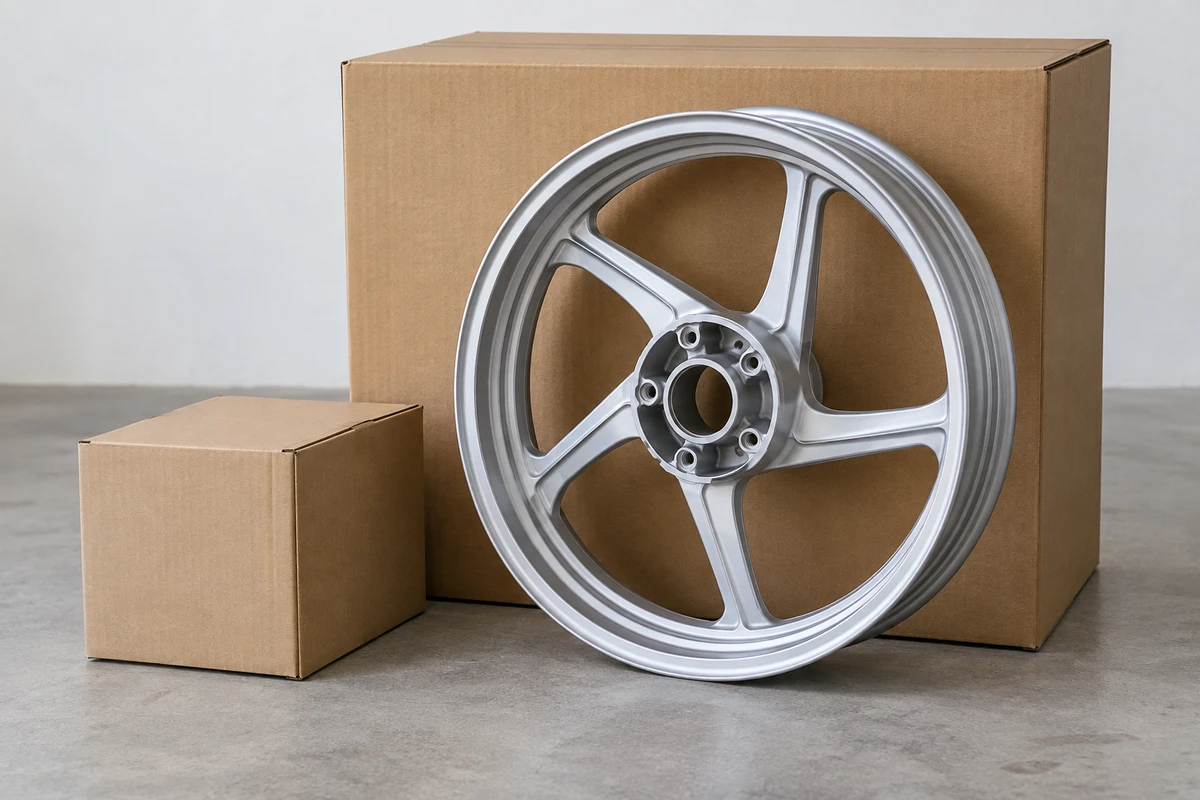
When motorcycle wheel parts are delivered to a forwarder in one country and then sent to an owner in another, record both destinations before relying on a seller's return-freight promise. The seller's original delivery country and the final owner's country may be different boundaries in the actual terms.
The issue is not whether forwarding is always allowed or economical. It is which reverse movements the seller has actually agreed to fund if an error is established. A domestic delivery offer should not silently become a worldwide return commitment.
Reconstruct the actual delivery chain
Keep the seller's order confirmation, its delivery address, the forwarding arrangement and the final owner's location separately identified. Name the party that contracted for each movement. One overall tracking dashboard can obscure the fact that different providers accepted different obligations.
Buchanan's terms state that its error-related return-freight commitment reaches the country to which it shipped the original order. The same terms distinguish arrangements in which shipping services, including returns, take place in the USA. These are one US supplier's stated boundaries, checked on 14 October 2026, not a finding about the reader's contract or rights. Buchanan's international-order terms
Ask the actual seller to clarify its own promise using both the original and final destinations. Do not infer its answer from the cited example or assume that a forwarder's onward label amends the original sale.
Separate return eligibility from freight coverage
Identify the exact wheel parts and the basis of the proposed claim. A seller's statement about paying freight for its error may leave the error determination and return authorization unresolved. Keep those steps visible instead of budgeting an unconfirmed reimbursement as cash recovered.
Custom-order restrictions may differ from ordinary stock returns under the applicable offer. Ask which conditions the seller says apply to the actual item; do not turn a general return paragraph into permission to return every custom wheel component. Disputed rights or enforceability require appropriate professional advice.
If a return is authorized, request the intended receiver and the precise geographic endpoints covered. A commitment to one country may not answer the cost of moving goods from the final owner back to the intermediary, or onward from there. No uncovered leg should be assumed free merely because the seller accepts responsibility for an error.
Map the proposed reverse journey
List each actual proposed segment, its provider, quote and confirmed payer. Avoid creating unnecessary movements: ask whether the parties propose a direct return or a route through the intermediary. Use only a route that the responsible parties have accepted for the actual goods.
Keep freight reimbursement separate from other proposed credits. If a seller offers a capped transport recovery, retain the amount and its basis from the actual correspondence rather than converting it into unlimited coverage. This article states no cap, rate or expected settlement.
Check how the forwarder will support the handover if its premises are involved. An earlier outward service does not establish that it receives returns, performs inspection or coordinates a new export. Obtain those services explicitly when needed rather than assigning them by assumption.
Fictional example: the owner is beyond the original destination
A fictional wheel-parts order is delivered by the seller to a US intermediary and then forwarded to an owner abroad. An error is reported after the onward delivery. The seller refers to its original-destination terms, while the owner assumes all transport from the final address is covered.
The buyer asks the seller to specify the proposed remedy and each funded endpoint. It requests actual quotes for any accepted route and keeps unconfirmed recovery outside the committed-cost figure. If the forwarder has no return service, the buyer asks for an alternative arrangement rather than sending goods there unannounced.
The final agreement should be understandable without knowing the original dispute: identified parts, authorization, receiving point, movements, payer and conditions. That record can support a practical resolution without claiming that published terms settle every legal question.
Buyer worksheet
| Record | What to establish |
|---|---|
| Seller delivery | Original country, address and seller shipment record |
| Onward movement | Separate forwarder contract and final owner location |
| Actual remedy | Identified goods, error decision and return authorization |
| Covered endpoint | Seller’s written geographic commitment and conditions |
| Reverse segments | Actual accepted route, provider quote and payer per leg |
| Recovery status | Promised, conditional and received amounts kept distinct |
This is an original purchasing worksheet. It does not authorize physical work, establish legal treatment or replace a provider's assessment.
Bring the unresolved decision to the right provider
See Motorcycle parts for product context. A Motoparts sourcing request can identify the exact item and unanswered supplier question. Motoparts provides independent aftermarket and unbranded buying coordination and supplier negotiation. The named businesses above are documentary examples, not affiliations, branded-product offers or a promise that Motoparts supplies their services.
The initial form accepts a supported marketplace HTTPS link, an 8–1200-character description, or screenshots: up to five PNG, JPEG, WebP or GIF images, no more than 10 MiB each and 20 MiB combined. Other files need a separately agreed authorized exchange; the form is not a PDF, CAD or ZIP portal.
Frequently asked questions
Does a seller-paid error return always cover the final overseas owner?
No universal coverage is established. Read the actual commitment and obtain a response using both the seller’s original destination and the final owner’s location.
Does forwarding automatically invalidate a remedy?
This article reaches no such conclusion. Ask the actual seller about the applicable terms and seek appropriate advice for disputed rights. The immediate task is to identify the covered geographic scope.
Should I send the return back through the same forwarder?
Only if that proposed route and the forwarder’s role are actually agreed. The original outward service does not establish return intake, inspection or onward shipping services.
Can an expected freight reimbursement reduce my confirmed cost?
Keep it separate until the relevant commitment and conditions are established. A reported error, return authorization and actual reimbursement are distinct events.
Sources
Discuss a sourcing request related to this article.Wheel Parts via a Forwarder: Find Where Return-Cost Coverage Ends